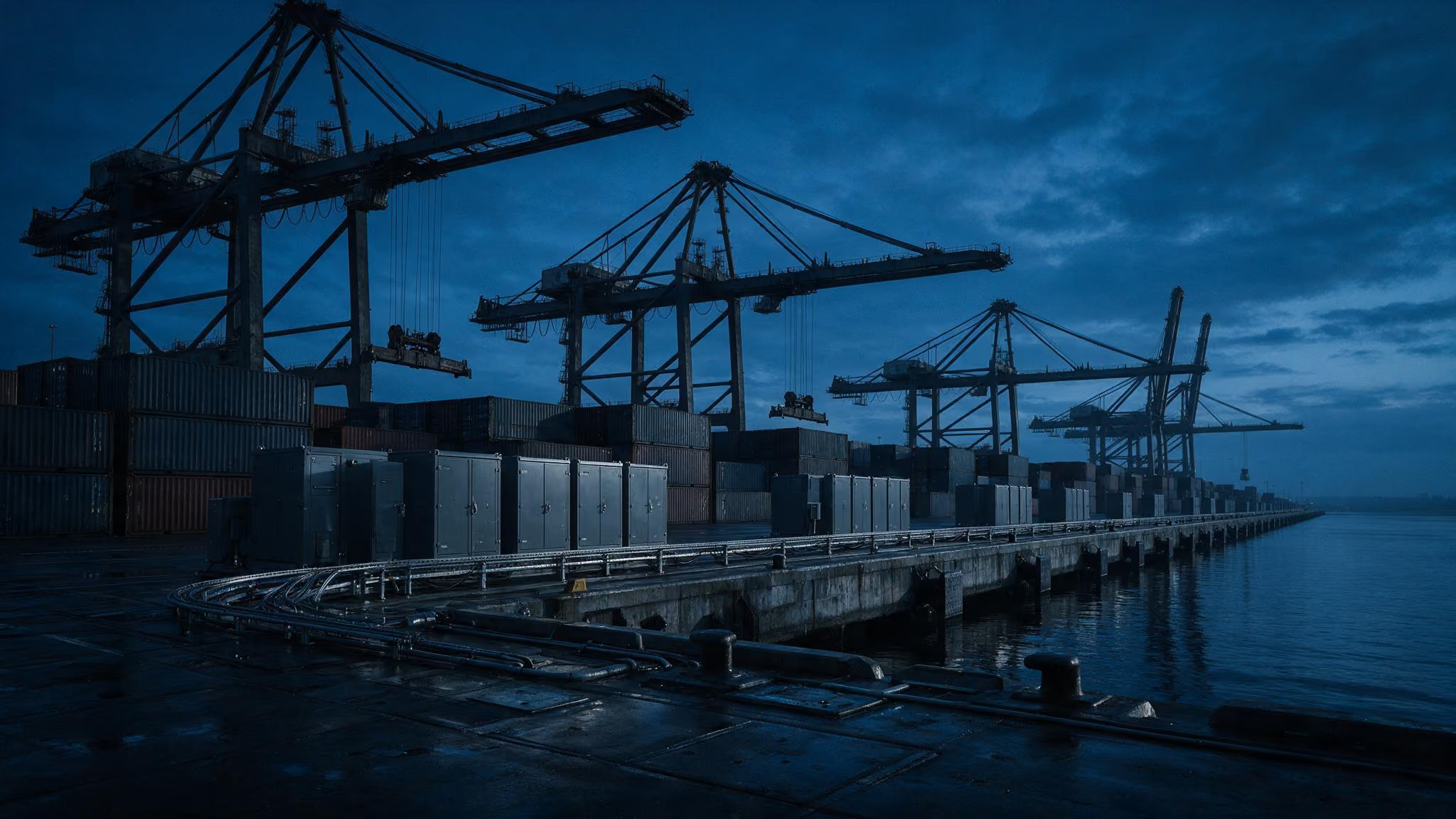
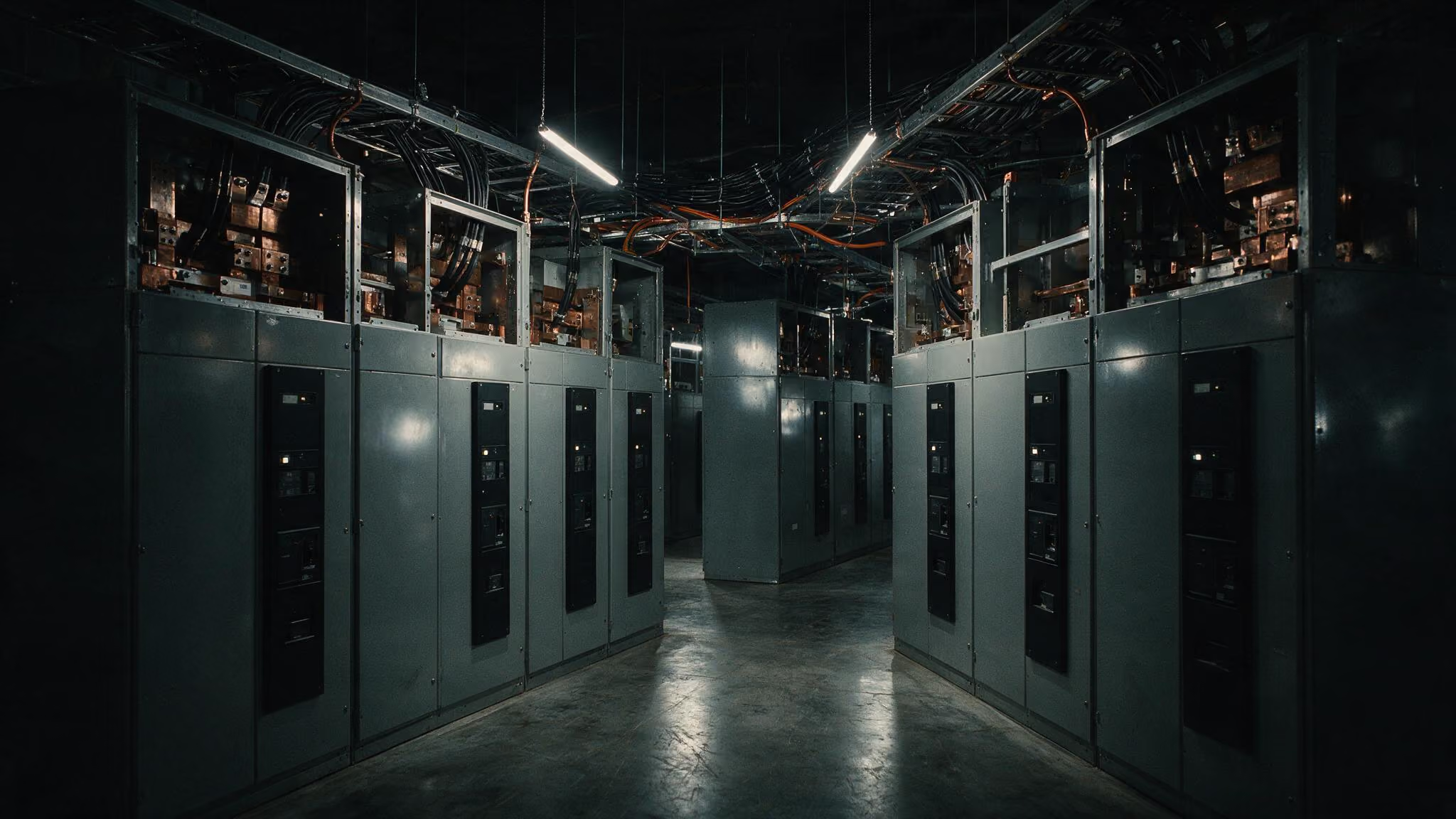


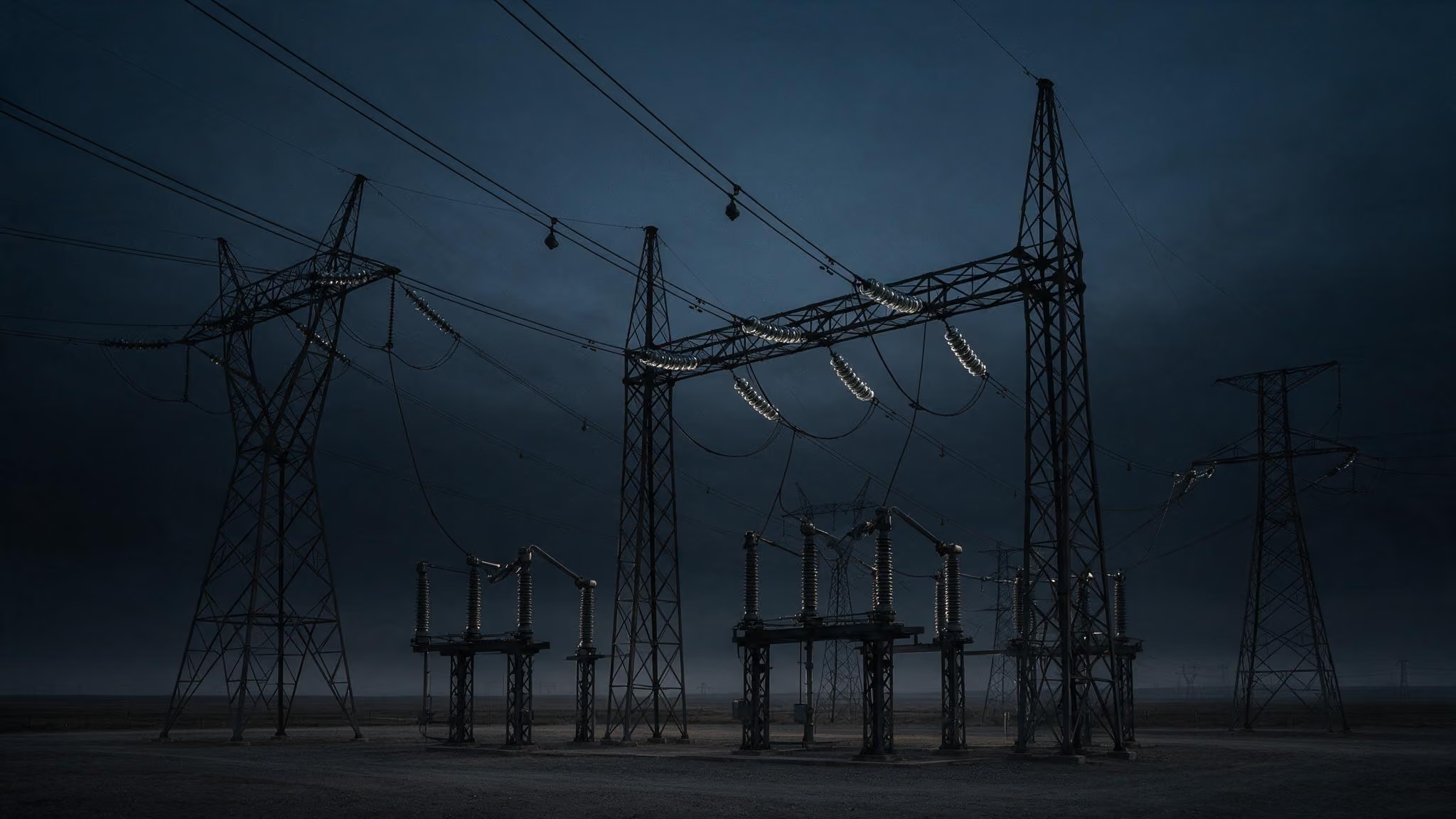
Refreshing protection relays across SEQ zone substations inside booked outage windows.

Client
None (illustrative)
Sector
Network utility
Scope
Relay refresh, panel work orders
Region
South-east Queensland
Relay refreshes fail on outage windows, not engineering.
Assumption: a network utility holds a panel arrangement for protection relay refresh across several SEQ zone substations. Each substation has a short outage window, and the work must be designed, settings-checked, installed and tested inside it.
The network service provider issues the settings; Kestrel implements and tests them. A missed window means another outage booking, not a late day. This brief is a planning scenario, not a completed project.
A standard scope, repeated.
A panel and schedule of rates arrangement, with work orders of $50k–$2m under a panel of $3m–$10m a year. Each work order follows the same sequence: design interface, long-lead procurement, installation and secondary injection testing.
Six Kestrel-owned secondary injection relay test sets would let several substations be prepared in parallel. Settings files, test records and as-builts return to the utility at handover.
What the plan targets.
Assumptions, not results: relay test sets are owned, and the weekly float report lists outstanding network approvals and open defects for every active work order. The target is to complete each refresh inside its booked outage window, with SEQ call-out attendance in 4 hours.
Where it would repeat.
Panel work orders would repeat across zone substations, and the test records would feed maintenance and testing agreements of $150k–$1.5m a year. That is intent: Kestrel has no panel appointment and no work order today.